
 Contact Us
 Refer a Patient
 Pay My Bill
Eyelid & Facial Plastics
At Fraser Eye, our board-certified oculoplastic surgeons specialize in functional and reconstructive eyelid and orbital surgery, with expertise in both medical and cosmetic procedures. Whether you’re seeking to restore vision compromised by drooping eyelids, address a medical condition affecting the eye area, or enhance your appearance, our team brings extensive expertise in oculoplastics to patients throughout Detroit, Fraser, Warren, Royal Oak, Rochester Hills, West Bloomfield, Port Huron, and across Michigan.
Oculoplastics: Functional & Reconstructive Eye Surgery in Detroit & Michigan
Oculoplastics is a specialized surgical field that combines ophthalmology with plastic surgery, allowing our surgeons to address delicate structures around the eyes with precision and artistry. Unlike general plastic surgeons, our oculoplastic specialists have completed rigorous training in both eye surgery and facial plastic surgery, giving them a unique perspective on achieving results that look natural while preserving and improving vision and function.
- Why Choose an Oculoplastic Surgeon at Fraser Eye for Your Procedure?
- Functional & Reconstructive Oculoplastic Surgery
- Cosmetic Eyelid and Facial Plastic Surgery
- Functional vs. Cosmetic Facial Plastic Surgery: Understanding the Difference
- Non-Surgical Cosmetic Treatments
- Frequently Asked Questions
- Fraser Eye’s Oculoplastic Surgeons
Why Choose an Oculoplastic Surgeon at Fraser Eye for Your Procedure?
When it comes to surgery around the eyes, the stakes are high. Your vision, comfort, and appearance all depend on the surgeon’s expertise. Here’s what sets our oculoplastic surgeons apart:
Specialized Training in Ophthalmology and Plastic Surgery
Our oculoplastic surgeons are board-certified ophthalmologists who have completed additional years of specialized fellowship training in oculoplastic and reconstructive surgery. This dual expertise means they understand not only the delicate anatomy of the eye and its surrounding structures but also the principles of aesthetic surgery.
Our oculoplastic surgeons are uniquely qualified to manage complex medical conditions affecting the eye area, including ptosis, tear duct obstruction, orbital tumors, thyroid eye disease, and eyelid reconstruction after trauma or cancer removal. This specialized expertise ensures that your vision and eye function are preserved and optimized with every procedure.
Deep Knowledge of Eye Health and Anatomy
Oculoplastic surgeons possess extensive knowledge of the muscles, nerves, tear ducts, and other structures that make the eye area so complex. This anatomical expertise allows us to perform procedures safely and effectively, minimizing complications and maximizing results. We understand how changes to the eyelids affect tear production, eye closure, and vision – knowledge that general plastic surgeons may not possess.
Comprehensive Care for Medical and Cosmetic Concerns
Unlike practices that focus solely on cosmetic procedures, Fraser Eye’s oculoplastic surgeons treat both functional conditions that affect vision and comfort, as well as cosmetic concerns. This comprehensive approach means we can address your specific needs, whether they’re medical, aesthetic, or both.
Established Relationships and Continuity of Care
If you’ve had LASIK, cataract surgery, or routine eye exams at Fraser Eye, your oculoplastic surgeon may already be familiar with your eye health history and medical background. This continuity of care allows us to provide personalized treatment plans tailored to your unique anatomy and goals.

Functional & Reconstructive Oculoplastic Surgery
Functional oculoplastic surgery addresses medical conditions that affect vision, comfort, or the normal function of the eyelids and surrounding structures. Many of these procedures are covered by insurance when they meet medical necessity criteria.
Ptosis (Drooping Upper Eyelids)
Ptosis occurs when the upper eyelid droops lower than normal, either due to weakness of the levator muscle (the muscle that lifts the eyelid), age-related changes, or other medical conditions. Beyond cosmetic concerns, significant ptosis can obstruct vision and affect quality of life.
Functional Impact of Ptosis:
- Visual field obstruction, particularly in the upper portion of vision
- Eye strain from compensatory forehead muscle use
- Difficulty with activities like reading, driving, or using computers
- Headaches from constant muscle tension
Ptosis Repair Surgery:
Our surgeons perform several techniques to repair ptosis, depending on the severity and underlying cause:
- Müller’s Muscle Resection: For mild ptosis, this less invasive technique tightens the muscle that assists in eyelid elevation.
- Levator Advancement: For mild to moderate ptosis, the levator muscle is tightened to restore normal eyelid position and function.
- Frontalis Suspension: For severe ptosis or cases where the levator muscle is severely weakened, we use a sling (often made from the patient’s own tissue or a biocompatible material) to suspend the eyelid from the forehead muscle.
According to research published in the Journal of Ophthalmic Surgery, ptosis repair surgery successfully restores normal eyelid position in approximately 85-90% of cases, with most patients experiencing improved vision and reduced eye strain.
Recovery and Results:
Most patients can return to light activities within 1-2 weeks, though complete healing takes 4-6 weeks. Results continue to improve over several months as swelling resolves.
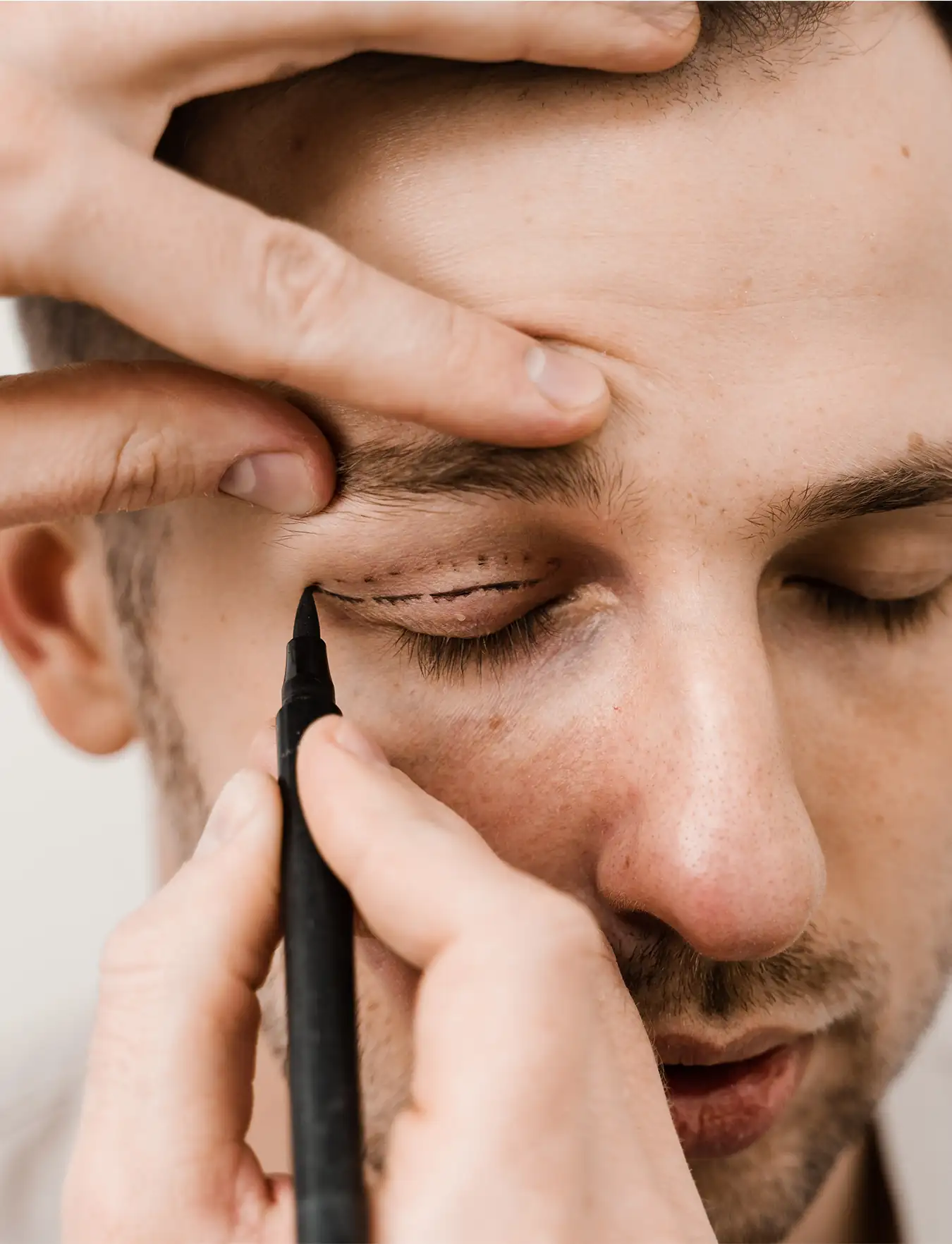
Blepharoplasty (Eyelid Lift) for Functional Reasons
While blepharoplasty is often thought of as a cosmetic procedure, it frequently serves important functional purposes. Excess skin on the upper eyelids (a condition called dermatochalasis) can obstruct vision and contribute to eye strain and fatigue.
When Blepharoplasty is Medically Necessary:
- Excess upper eyelid skin that impairs the visual field
Upper Eyelid Blepharoplasty:
This procedure removes excess skin and, if necessary, repositions or removes excess fat from the upper eyelid. The result is a more open eye appearance with improved vision and reduced strain.
- Incision Placement: The incision is carefully placed in the natural crease of the eyelid, making the scar virtually invisible.
- Tissue Removal: Excess skin is removed, and fat is carefully repositioned or removed to avoid a hollowed appearance.
- Precision Closure: The incision is closed with fine sutures for optimal healing and minimal scarring.
Combining Ptosis Repair and Blepharoplasty:
Many patients benefit from combining ptosis repair with blepharoplasty to address both muscle weakness and excess skin. This combined approach restores both function and appearance in a single procedure.
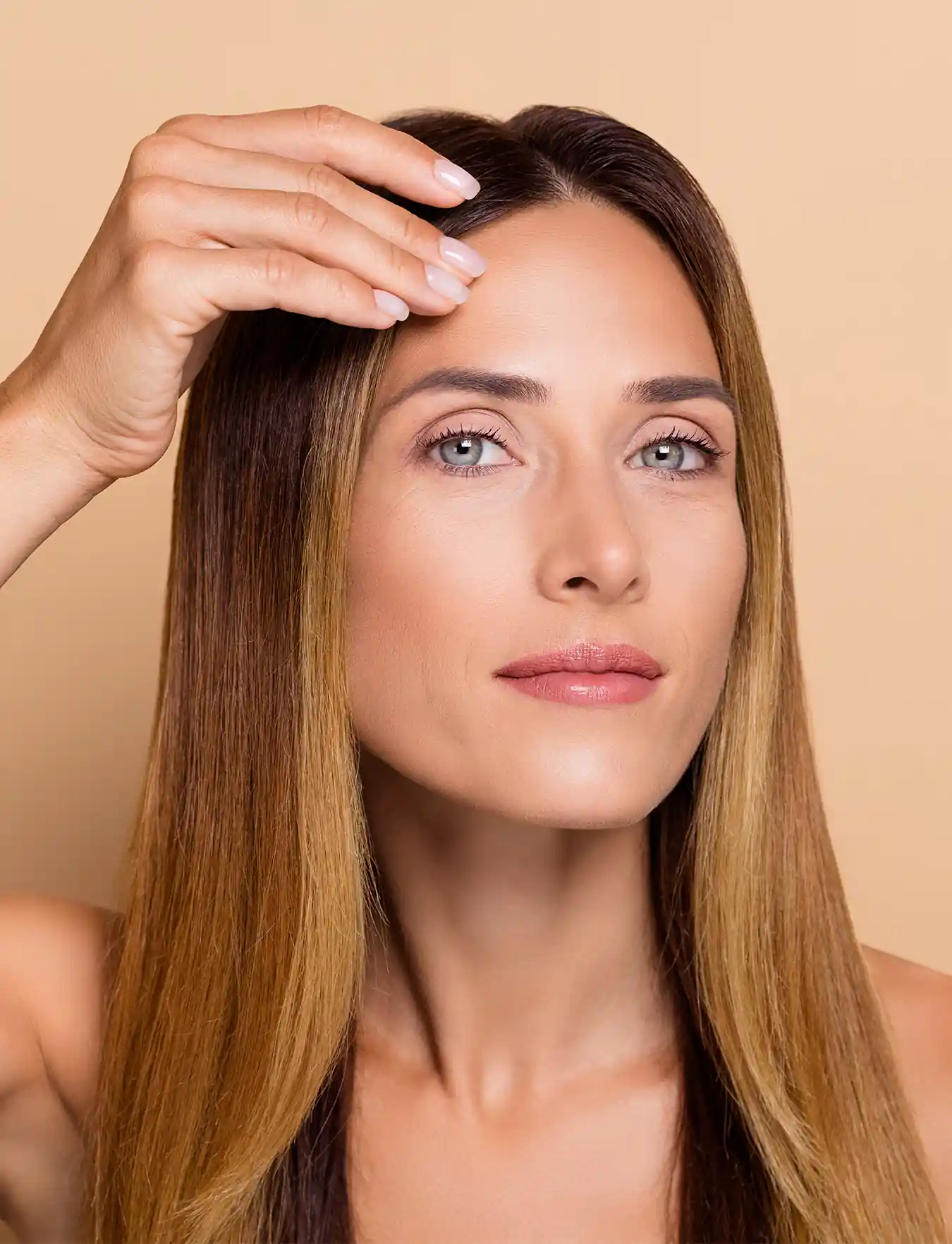
Eyebrow Lift (Brow Lift)
As we age, the eyebrows naturally descend due to gravity, skin laxity, and loss of elasticity. This descent can contribute to a tired or sad appearance and, in some cases, can exacerbate upper eyelid drooping.
Brow Lift Techniques:
- Direct Brow Lift: For patients with significant brow descent, a small incision is made directly above the eyebrow to lift and secure the tissue.
- Temporal Brow Lift: This technique focuses on lifting the outer (lateral) portion of the brow, often combined with upper eyelid surgery.
Results:
A brow lift opens the eye area, reduces the appearance of forehead wrinkles, and can improve the overall balance of the face. Results typically last 5-7 years or longer.
Ingrown Eyelashes (Trichiasis)
Trichiasis occurs when eyelashes grow inward toward the eye, causing irritation, foreign body sensation, tearing, and potentially vision problems if left untreated.
Treatment Options:
- Temporary Measures: For mild cases, lubricating eye drops and protective eyewear may provide relief.
- Permanent Solutions: Our surgeons offer several permanent treatments:
- Electrolysis or Laser Ablation: Destroys the hair follicle to prevent regrowth.
- Cryosurgery: Uses extreme cold to destroy the lash follicle.
- Surgical Excision: Removes the affected lash follicles and surrounding tissue.
Ectropion & Entropion (Eyelid Malpositions)
Ectropion and entropion are eyelid malpositions that affect the way the eyelid rests against the eye. Both conditions can cause significant irritation, tearing, and long-term damage to the ocular surface if left untreated.
Ectropion:
In ectropion, the eyelid turns outward, exposing the inner lid surface. This leads to chronic dryness, tearing, and irritation because the eyelid can no longer distribute tears properly.
Entropion:
In entropion, the eyelid turns inward, causing lashes and skin to rub against the eye. This can result in pain, foreign-body sensation, tearing, and even corneal damage.
Causes:
- Age-related tissue laxity
- Prior eyelid surgery
- Trauma or scarring
- Facial nerve weakness
Treatment Options:
Our surgeons offer several corrective procedures depending on the severity and underlying cause:
- Lateral Canthal Tightening: Restores proper eyelid position by supporting the outer corner of the lid.
- Retractor Reinsertion or Spacer Grafts: Repositions and supports weakened eyelid structures.
- Scar Release and Reconstruction: For cicatricial (scar-related) cases.
Correcting eyelid malpositions not only improves comfort and appearance but also protects the eye from long-term damage such as recurrent infections or corneal injury. Surgical repair has high success rates and often provides immediate relief from symptoms.
Styes and Chalazions
Styes (external hordeolum) are painful, red bumps on the eyelid caused by bacterial infection of an eyelash follicle. Chalazions are firm bumps caused by a blocked oil gland and are typically painless initially but can become tender if infected.
Treatment:
- Conservative Care: Warm compresses, antibiotic ointment, and oral antibiotics often resolve styes within 1-2 weeks.
- Steroid injections: Can be performed quickly in the office to address the inflammatory component, patients often start seeing improvement in 5 days.
- Surgical Drainage: If conservative treatment fails or the lesion is large, our surgeons can perform a minor surgical procedure to drain and remove the affected tissue.
Tearing Problems (Epiphora and Blocked Tear Ducts)
Excessive tearing or chronic dry eye can result from blocked tear ducts, tear duct malposition, or other structural issues. Our oculoplastic surgeons diagnose and treat these conditions to restore normal tear drainage and comfort.
Procedures Include:
- Punctal Plug Insertion: A small plug is placed in the tear drain opening to reduce tear loss and improve eye moisture.
- Punctoplasty: The tear drain opening is enlarged to improve drainage.
- Tear Duct Intubation: A small stent is placed in the tear duct to keep it open while it heals.
- Dacryocystorhinostomy (DCR): For permanently blocked tear ducts, this procedure creates a new drainage pathway between the tear sac and the nasal cavity, bypassing the obstruction.
Multiple published
 Trusted Source
Lacrimal duct Surgery: Different Techniques and Long-Term Postoperative Results
Casasayas M, Massegur-Solench H, Martel-Marín M, Kolanczak KA, Holgado A, Gras-Cabrerizo JR
Go to Source
studies
report that tear-duct surgery (such as external or endoscopic dacryocystorhinostomy) achieves symptom resolution in
Trusted Source
Surgical outcomes of endoscopic dacryocystorhinostomy: analysis of age effect
Sung JY, Lee YH, Kim KN, Kang TS, Lee SB
Go to Source
≈80-95%
of patients, depending on technique and prior surgery status.
Trusted Source
Lacrimal duct Surgery: Different Techniques and Long-Term Postoperative Results
Casasayas M, Massegur-Solench H, Martel-Marín M, Kolanczak KA, Holgado A, Gras-Cabrerizo JR
Go to Source
studies
report that tear-duct surgery (such as external or endoscopic dacryocystorhinostomy) achieves symptom resolution in
Trusted Source
Surgical outcomes of endoscopic dacryocystorhinostomy: analysis of age effect
Sung JY, Lee YH, Kim KN, Kang TS, Lee SB
Go to Source
≈80-95%
of patients, depending on technique and prior surgery status.
Orbital Tumors
Tumors that grow within the eye socket (orbit) can cause eyeball protrusion, vision problems, or eye displacement. While many orbital tumors are benign, they may still require surgical removal to restore normal eye position and function.
Surgical Approach:
Our oculoplastic surgeons work closely with neuro-ophthalmologists and other specialists to safely remove orbital tumors while preserving vision and eye function. Depending on the tumor’s location and size, various surgical approaches may be used.
Mohs Surgery for Eyelid Skin Cancer
Skin cancer around the eyelids requires specialized surgical expertise to remove cancerous tissue while preserving eyelid function and appearance. Mohs micrographic surgery is a precise technique that removes cancer layer by layer, examining each layer under a microscope to ensure complete removal while minimizing damage to healthy tissue.
Cancers Treated:
- Basal cell carcinoma (most common)
- Squamous cell carcinoma
- Sebaceous cell carcinoma
- Melanoma (in select cases)
After cancer removal, our surgeons reconstruct the eyelid to restore function and appearance.
Thyroid-Related Eye Problems
Graves’ disease and other thyroid conditions can cause orbital tissue swelling, leading to eyeball protrusion (exophthalmos), double vision, and vision loss if the optic nerve is compressed.
Treatment Options:
- Medical Management: Anti-inflammatory medications and eye care measures.
- Orbital Decompression: A minimally invasive endoscopic procedure performed through the nose to relieve orbital pressure and reduce eyeball protrusion. This procedure can significantly improve vision and comfort.
Eyelid Reconstruction
Trauma, burns, or surgical removal of eyelid tissue may require reconstruction to restore eyelid function and appearance. Our surgeons use advanced techniques to reconstruct eyelids that properly close, protect the eye, and maintain a natural appearance.

Cosmetic Eyelid and Facial Plastic Surgery
While functional concerns are our primary focus, many patients also seek cosmetic improvements to the eye area. Our oculoplastic surgeons excel at creating natural-looking results that enhance appearance while maintaining the unique character of each patient’s face.
Cosmetic Blepharoplasty (Upper and Lower Eyelid)
Cosmetic blepharoplasty addresses excess skin, fat, or under-eye bags to create a more youthful, refreshed appearance. Upper eyelid surgery removes excess skin and repositions fat for a more open eye appearance. Lower eyelid surgery addresses under-eye bags and wrinkles through careful removal of excess tissue.
Lower Eyelid Blepharoplasty
Lower eyelid surgery addresses excess skin, fat, or laxity that can contribute to dry eye, irritation, or a tired appearance.
- Transcutaneous Approach: An incision is made just below the eyelash line, allowing removal of excess skin and fat.
- Transconjunctival Approach: For patients with minimal skin excess but significant fat, an incision is made inside the eyelid, leaving no external scar.
Cosmetic Brow Lift
A cosmetic brow lift elevates and repositions the eyebrows to create a more youthful, alert appearance. This procedure is often combined with upper eyelid surgery for comprehensive facial rejuvenation.
Combined Functional and Cosmetic Goals
Many patients benefit from procedures that address both functional concerns (vision obstruction, dry eye) and cosmetic goals (youthful appearance). Our surgeons design each procedure to achieve both objectives when appropriate.
Recovery for cosmetic procedures typically involves mild bruising and swelling for 1-2 weeks, with final results visible after 4-6 weeks.
Functional vs. Cosmetic Facial Plastic Surgery: Understanding the Difference
Many patients are confused about the distinction between functional and cosmetic procedures, particularly regarding insurance coverage and medical necessity. Here’s a clear breakdown:
What is Functional (Reconstructive) Surgery?
Functional surgery addresses medical conditions that affect vision, comfort, or the normal function of the eye and surrounding structures. These procedures are performed to restore or improve function, not primarily for appearance.
Examples of Functional Procedures:
- Ptosis repair (restores vision obstructed by drooping eyelids)
- Blepharoplasty for dermatochalasis (removes excess skin obstructing vision)
- Tear duct surgery (restores normal tear drainage)
- Orbital decompression (relieves pressure on the optic nerve)
- Eyelid reconstruction after trauma or cancer removal
- Mohs surgery for eyelid skin cancer
Insurance Coverage:
Functional procedures are often covered by insurance when they meet medical necessity criteria. Your surgeon will document the functional indication (e.g., “visual field obstruction,” “chronic tearing,” “eyelid malposition”) to support insurance approval.
What is Cosmetic Surgery?
Cosmetic surgery is performed primarily to enhance appearance rather than to restore or improve function. While cosmetic procedures may have some functional benefit, the primary goal is aesthetic improvement.
Examples of Cosmetic Procedures:
- Upper or lower blepharoplasty for tired appearance (without vision obstruction)
- Brow lift for aesthetic rejuvenation
- Eyelid surgery to create a more defined crease
- Procedures to reduce wrinkles or fine lines
Insurance Coverage:
Cosmetic procedures are typically not covered by insurance, as they are elective. However, many patients find the investment worthwhile for the confidence and satisfaction that comes with improved appearance.
The Gray Area: Procedures That Are Both Functional and Cosmetic
Many eyelid procedures fall into a gray area where they address both functional and cosmetic concerns. For example:
- Blepharoplasty with Functional Indication: A patient may have excess upper eyelid skin that both obstructs vision (functional) and creates a tired appearance (cosmetic). In this case, insurance may cover a portion of the procedure based on the functional component, while the patient pays out-of-pocket for the cosmetic enhancement.
- Ptosis Repair with Cosmetic Goals: A patient with ptosis may seek repair not only to restore vision but also to achieve a more youthful appearance. The functional component is covered by insurance, while the cosmetic refinement may be an additional consideration.
Our Approach:
At Fraser Eye, we work with each patient to understand their goals and concerns. We’ll clearly explain which aspects of your procedure are functional (and potentially covered by insurance) and which are cosmetic (typically out-of-pocket). Our goal is to help you make an informed decision about your treatment.

Non-Surgical Cosmetic Treatments
For patients seeking to refresh their appearance without surgery, our medical spa partner, Théia Aesthetics, offers a comprehensive range of non-surgical treatments including BOTOX®, dermal fillers, IPL photofacial, and laser treatments. These options can enhance results from surgical procedures or serve as standalone treatments for mild to moderate cosmetic concerns.
Fraser Eye's Oculoplastic Surgeons


Frequently Asked Questions
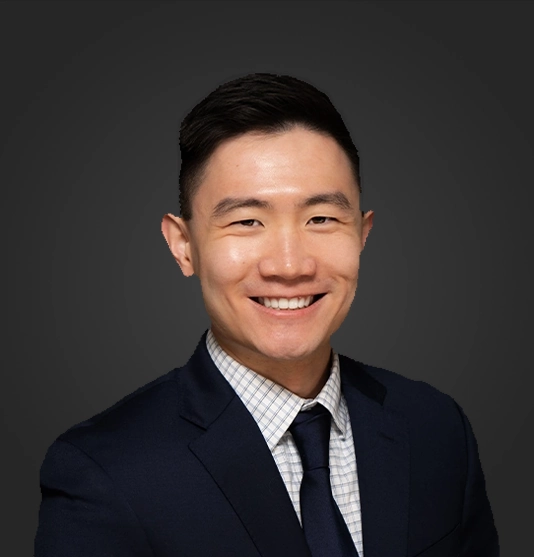
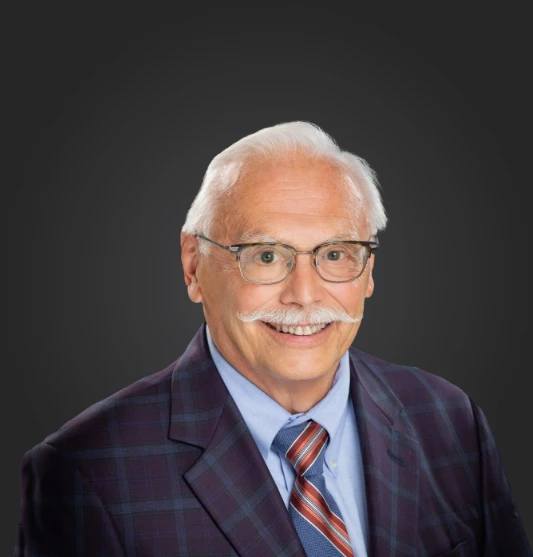
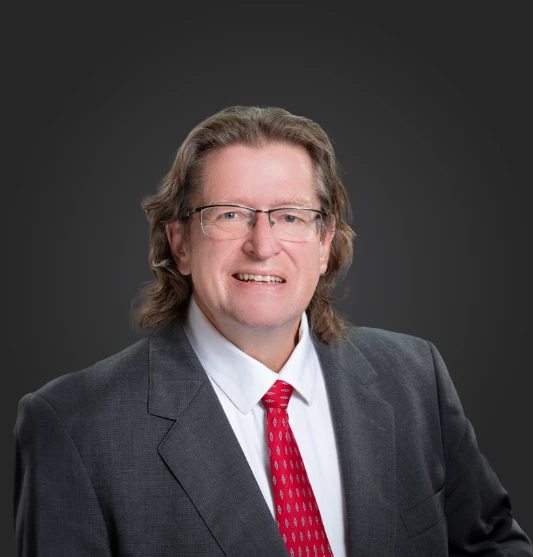
Fraser Eye offers comprehensive oculoplastic services at multiple locations throughout Detroit, Fraser, Warren, Rochester Hills, Royal Oak, West Bloomfield, Port Huron, and Michigan. Our board-certified oculoplastic surgeons—including Dr. Daniel Lin (fellowship-trained in both oculoplastics and neuro-ophthalmology), Dr. Yi Ling Dai fellowship trained in oculoplastics, and Dr. Scott Barton (specializing in oculoplastics and general ophthalmology)—are available for consultations at our convenient locations.
Unlike many practices that focus solely on cosmetic procedures, Fraser Eye combines comprehensive oculoplastic expertise with full-service ophthalmology, meaning your surgeon understands your complete eye health picture. We also partner with Theia Aesthetics for non-surgical aesthetic treatments, providing a complete range of options under one roof.
Schedule your consultation today to discuss your functional and cosmetic goals with one of our oculoplastic specialists.
Absolutely. Many patients benefit from combining procedures to achieve optimal results:
- Ptosis Repair + Blepharoplasty: Addressing both muscle weakness and excess skin in a single procedure.
- Brow Lift + Upper Blepharoplasty: Creating comprehensive facial rejuvenation.
- Eyelid Surgery + Non-Surgical Treatments: Combining surgical procedures with CO2 laser, fillers, or IPL for enhanced results.
- Functional Surgery + Cosmetic Refinement: Addressing medical concerns while achieving aesthetic goals.
Our surgeons will discuss combination options during your consultation to create a personalized treatment plan that addresses all your concerns efficiently.
Recovery varies depending on the procedure:
- Ptosis Repair: 1-2 weeks for light activities; 4-6 weeks for complete healing
- Blepharoplasty: 1-2 weeks for mild bruising and swelling; 4-6 weeks for final results
- Brow Lift: 1-2 weeks for light activities; 2-3 weeks for most normal activities
- Tear Duct Surgery: 1-2 weeks for light activities; 4-6 weeks for complete healing
Most patients can return to work within 1-2 weeks, depending on their job and the procedure performed. Strenuous exercise and heavy lifting should be avoided for 3-4 weeks.
Insurance coverage depends on whether the procedure is deemed medically necessary:
- Functional Procedures: Often covered when they address vision obstruction, chronic tearing, or other medical conditions. Your surgeon will document the medical indication and submit for insurance approval.
- Cosmetic Procedures: Typically not covered by insurance, as they are elective.
- Combined Procedures: Insurance may cover the functional component while you pay out-of-pocket for cosmetic enhancement.
We’ll work with your insurance company to maximize your coverage and provide you with a clear understanding of your financial responsibility before your procedure.
The best way to determine if you’re a candidate is to schedule a consultation with one of our oculoplastic surgeons. During your visit, we’ll:
- Evaluate your eye health and anatomy
- Discuss your functional and aesthetic goals
- Explain your options and expected outcomes
- Address any concerns or questions
Most patients with functional concerns (vision obstruction, tearing problems, eyelid malposition) are good candidates for surgery. Cosmetic candidates should have realistic expectations and be in good overall health.
Oculoplastic surgeons are ophthalmologists who have completed additional specialized training in plastic surgery. This dual expertise means they:
- Understand the complex anatomy of the eye and surrounding structures
- Can assess how procedures affect vision and eye function
- Have extensive experience with the delicate tissues around the eyes
- Can manage complications related to eye health
- Combine aesthetic principles with functional expertise
General plastic surgeons, while skilled in cosmetic procedures, may not have the same depth of knowledge about eye anatomy and function.


Contact Us at one of our Michigan locations
Each of the Oculoplastic Surgeons, ophthalmologists, and optometrists on our team takes pride in being your local eye doctor. Please feel free to contact us with any questions or to schedule a consultation.
1 Casasayas M, Massegur-Solench H, Martel-Marín M, Kolanczak KA, Holgado A, Gras-Cabrerizo JR. Lacrimal duct Surgery: Different Techniques and Long-Term Postoperative Results. Indian J Otolaryngol Head Neck Surg. 2024 Oct;76(5):3815-3820. doi: 10.1007/s12070-024-04670-3. Epub 2024 Jun 1. PMID: 39376430; PMCID: PMC11456051. Available: https://pmc.ncbi.nlm.nih.gov/articles/PMC11456051/. Accessed October 22, 2025.
2 Sung JY, Lee YH, Kim KN, Kang TS, Lee SB. Surgical outcomes of endoscopic dacryocystorhinostomy: analysis of age effect. Sci Rep. 2019 Dec 27;9(1):19861. doi: 10.1038/s41598-019-56491-y. PMID: 31882774; PMCID: PMC6934695. Available: https://pubmed.ncbi.nlm.nih.gov/31882774/. Accessed October 22, 2025.