
 Contact Us
 Refer a Patient
 Pay My Bill
Is LASIK Safe? Understanding the Risks, Possible Complications and Success Rates
LASIK (laser-assisted in situ keratomileusis) is an FDA-approved refractive surgery that reshapes the cornea to correct nearsightedness, farsightedness, and astigmatism. For the right candidates, it is one of the safest and most studied elective procedures in medicine.
Vision is one of your most important senses. It makes sense to ask hard questions before agreeing to a laser procedure on your eyes.
At Fraser Eye Care Center, serving patients across Metro Detroit and across Michigan, we perform LASIK with WaveLight Plus and Contoura Topography-Guided treatment. Before any procedure is scheduled, every patient undergoes a thorough evaluation to confirm candidacy. If LASIK is not the right fit, we will tell you, and we will recommend a better option.
Key Takeaways
- LASIK has one of the highest patient satisfaction rates of any elective procedure, and serious complications occur in fewer than 1% of cases.
- Dry eye is the most common side effect, and it is usually temporary. Most patients see symptoms resolve within a few weeks to months.
- LASIK is not right for everyone, and that is by design. A thorough screening before your procedure is what keeps outcomes safe.
- Fraser Eye uses WaveLight Plus with Contoura Topography-Guided treatment, combining more than 100,000 data points across your entire optical system to create a treatment built specifically for your eyes.
- If LASIK is not the right fit, Fraser Eye offers alternatives including PRK, EVO ICL, and Refractive Lens Exchange. You will leave with the right answer for your eyes, not just the one answer we have.
Who Is a Good Candidate for LASIK?
Not everyone qualifies for LASIK. The evaluation process exists to protect you. Here is a general overview of the factors that guide candidacy:
| Ideal LASIK Candidate | Non-Ideal LASIK Candidate |
|---|---|
| 18 years of age or older | Corneal scarring |
| Stable refractive error over 1 to 2 years | Unstable refractive error |
| Refractive error within FDA-approved parameters* | Keratoconus or other corneal disease |
| Adequate corneal thickness | Reduced corneal thickness |
| Realistic expectations | Poorly controlled diabetes |
*FDA approves LASIK for up to 6 diopters of hyperopia, 6 diopters of astigmatism, and 12 diopters of myopia.
At Fraser Eye, patients from Detroit and throughout Michigan come in for a comprehensive evaluation that includes advanced diagnostics with our WaveScan WaveFront system. This 3-dimensional corneal mapping helps our surgeons determine the safest, most precise treatment plan for your eyes.
What Are the Real Risks of LASIK?
Like any surgical procedure, LASIK carries potential risks. Understanding them helps you make an informed decision and know what to watch for during recovery.
Intraoperative Complications
During surgery, a small suction device holds your eye still while the laser works. This suction can sometimes cause subconjunctival hemorrhages in approximately 33% of cases. Tiny blood vessels on the white of your eye may break, which looks alarming but is harmless and clears up on its own within a week or two with no lasting effects, according to a review of LASIK complications in the Indian Journal of Ophthalmology. Less common intraoperative issues include epithelial defects (small disruptions to the surface layer of the eye), or complications with the corneal flap, such as an incomplete or off-center flap, or a flap tear. If any of these occur, the procedure is paused so the eye can heal properly. From there, follow-up options may include a repeat LASIK or PRK.
Does LASIK Hurt?
Before the procedure begins, your eye is numbed with topical anesthetics. You will not feel pain. You may feel mild pressure from the lid speculum that keeps your eye open during surgery. Most patients also receive an oral sedative to help them stay calm and still. Some mild discomfort during the first few days after surgery is normal and is usually managed with steroid eye drops and preservative-free artificial tears.
Postoperative Complications
Nearly all patients experience some degree of dry eye in the first days to weeks after LASIK, as the procedure temporarily reduces corneal nerve sensitivity and affects tear production. For most patients, symptoms resolve within weeks to months.
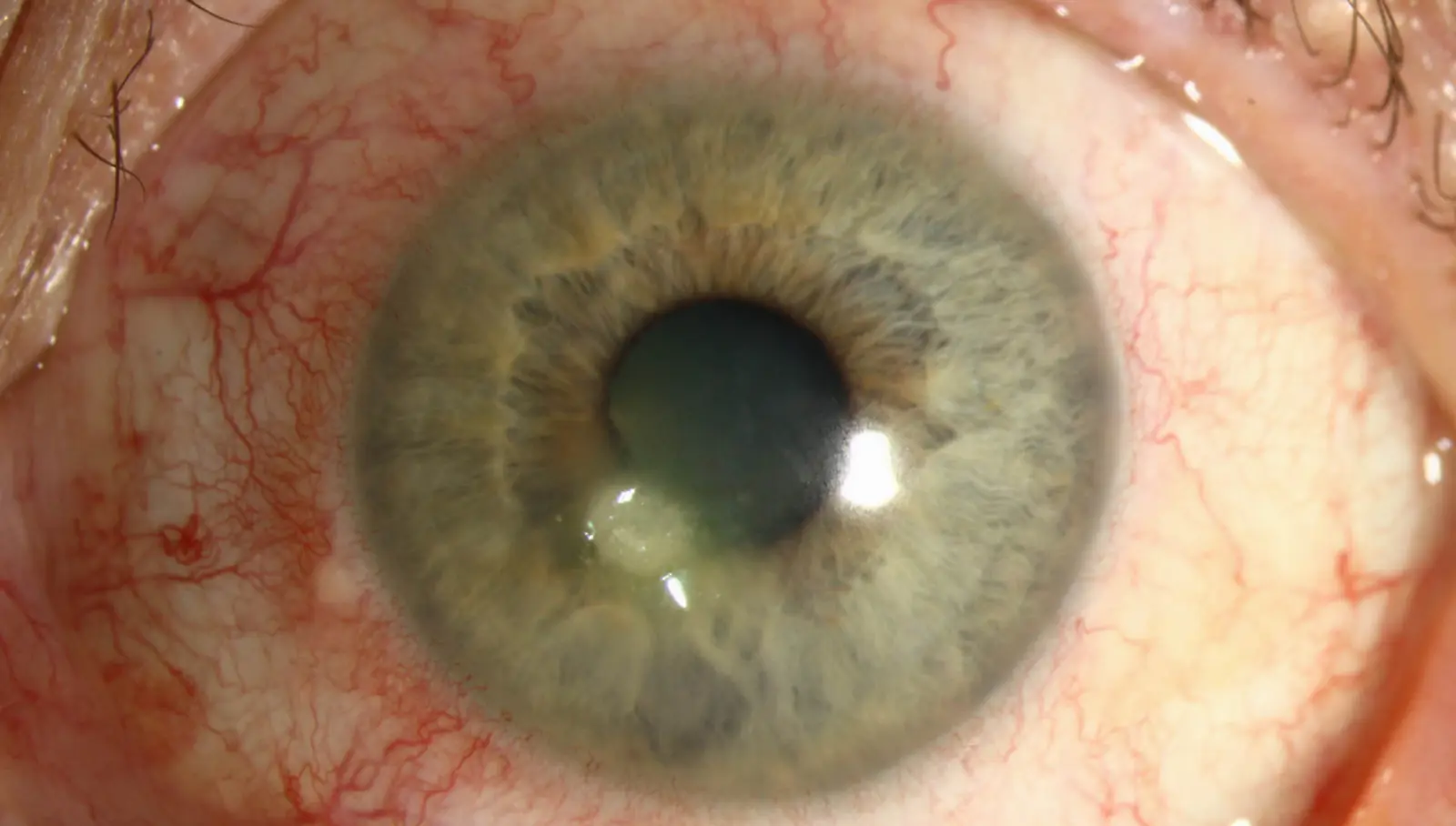
Less common post-operative complications include a dislocated or wrinkled flap, microbial keratitis, or diffuse lamellar keratitis. These are rare, but when they occur, they require prompt treatment to prevent permanent vision loss.
It is worth noting that microbial keratitis is actually more commonly associated with contact lens wear than with LASIK. For patients who have spent years in contacts, this is one area where LASIK may carry less long-term risk, not more.
Longer-term complications are uncommon. They can include corneal ectasia, earlier-onset cataract formation, or rhegmatogenous retinal detachment. Thorough pre-operative screening significantly reduces the risk of these outcomes.
Temporary Side Effects
Halos around lights, glare in low-light settings, and minor fluctuations in vision are common in the weeks after LASIK. These side effects are temporary and typically resolve within a few weeks as the eye heals.
What Do the Numbers Say About LASIK Safety and Success?
Since receiving FDA approval, more than 20 million laser vision correction procedures have been performed in the United States alone, making LASIK one of the most performed elective procedures in the world.
A landmark meta-analysis published in the Journal of Cataract and Refractive Surgery reviewed 67,893 eyes and found that 90.8% of patients achieved 20/20 vision or better, and 99.5% achieved better than 20/40. A separate 2025 literature review on PubMed analyzed 95 studies and confirmed that 88.3% of myopic LASIK patients achieved 20/20 uncorrected visual acuity. Topography-guided LASIK, the approach used at Fraser Eye, reached 91.8% in that same review.
Patient satisfaction rates across large-scale studies consistently fall between 95% and 98%. Serious complications occur in fewer than 1% of cases, per the FDA.
These numbers reflect what decades of refinement in technique and technology have produced. LASIK today is not the procedure it was in 1999.
How WaveLight Technology Improves Your Outcomes
Since its FDA approval in 1999, LASIK has advanced substantially. Modern procedures use a femtosecond laser to create the corneal flap, eliminating the need for a blade. Fraser Eye, one of Metro Detroit’s longest-serving vision correction practices, offers two advanced WaveLight treatment options: WaveLight Plus and Contoura Topography-Guided treatment.
Contoura maps 22,000 elevation positions on the anterior corneal surface to create a personalized treatment profile that addresses refractive error and subtle optical imperfections affecting contrast, glare, and night vision. WaveLight Plus goes a step further, using ray tracing technology to build a three-dimensional model of your entire optical system (cornea, lens, and beyond) from more than 100,000 data points. The result is Alcon’s most fully personalized LASIK treatment available. Your Fraser Eye surgeon will recommend the approach that is right for your eyes based on your evaluation.
Learn more about how WaveLight compares to other LASIK technologies.
How to Improve Your Chances of a Successful Outcome
Several factors are within your control when preparing for LASIK, as outlined in clinical research on LASIK outcomes.
- Choose an experienced surgeon. Your surgeon’s training and surgical volume directly affect outcomes. Experienced surgeons are better equipped to identify risk factors during evaluation and manage any issues that arise during or after the procedure.
- Select a comprehensive eye center. Centers that offer only LASIK may push the procedure even when you are not the best candidate. A full-service practice with access to alternatives, including PRK, EVO ICL®, and Refractive Lens Exchange, means you get the recommendation that is right for your eyes, not just the one that is available.
- Follow pre- and post-operative instructions. Your surgeon’s instructions before and after the procedure are designed to reduce risk and support recovery. At your complimentary evaluation, you will receive a full list of guidelines and restrictions. Attending all follow-up visits is important for monitoring your healing.
- Ask questions during your evaluation. Informed patients tend to have better experiences. Bring your questions to your consultation.
What to Do When You Find Conflicting Information Online
Searching for information about LASIK online can be confusing. There is a significant amount of misinformation on the internet about LASIK and other vision correction procedures. Some of it overstates risks. Some of it understates them. Neither extreme serves you well.
Online reviews and patient forums can reflect real experiences, but they rarely provide the full clinical picture. A person who experienced a complication may not know that it stemmed from poor candidate selection, a non-standard technique, or inadequate aftercare, not from LASIK itself.
If something you read raises a concern, bring it to your eye care provider. A qualified surgeon can explain the difference between a documented clinical risk and an anecdotal claim. Getting that information from a trusted medical professional is the most reliable way to make a well-informed decision.
At Fraser Eye, we welcome every question. Our team serves patients across Metro Detroit and communities throughout Southeast and Northeast Michigan. If you want to talk through something you read, contact our team and we will walk through it with you.
Frequently Asked Questions About LASIK Safety
Is LASIK FDA-approved?
Yes. The FDA approved LASIK for vision correction in 1999. The technology used at Fraser Eye, including the WaveLight EX500 Excimer Laser with Contoura Topography-Guided treatment, is FDA-cleared for use in the United States.
What is the most common complication after LASIK?
Dry eye is the most common side effect after LASIK. The procedure temporarily reduces corneal nerve sensitivity, which affects how the eye regulates tear production. Nearly all patients experience some dryness in the first days to weeks after surgery, and studies report persistent dry eye in 20% to more than 50% of patients, depending on individual risk factors like pre-existing dry eye and the degree of refractive correction. For most patients, symptoms resolve within weeks to months with prescribed drops and follow-up care.
Who is not a good candidate for LASIK?
Patients with unstable refractive errors, corneal scarring, keratoconus, reduced corneal thickness, or poorly controlled diabetes are generally not good candidates. Age also matters: LASIK is typically not recommended for patients under 18, whose prescriptions may still be changing. Pregnant or nursing women are also advised to wait, as hormonal changes can cause temporary vision fluctuations that affect candidacy. A comprehensive evaluation at Fraser Eye will determine whether LASIK, or an alternative like PRK or EVO ICL, is the right choice for your eyes.
How long do LASIK results last?
For most patients, LASIK results are permanent. The corneal reshaping does not reverse over time. Some patients experience gradual changes in their prescription as they age, particularly the onset of presbyopia (age-related near vision loss) in their 40s, but this is a natural part of aging rather than a failure of the LASIK procedure itself.
Does LASIK cause permanent dry eye?
Permanent dry eye from LASIK is rare. The large majority of patients see dry eye symptoms resolve within the first few months after surgery. Patients with pre-existing moderate to severe dry eye may not be good LASIK candidates, which is one reason a thorough pre-operative evaluation matters. Your candidacy screening at Fraser Eye will assess your baseline tear production before any procedure is scheduled.
What happens if LASIK does not fully correct my vision?
In some cases, a patient may experience undercorrection or overcorrection after LASIK. This is more likely in patients with higher prescriptions. A follow-up enhancement procedure can often address residual refractive error once the eye has fully healed, typically after three to six months. Your surgeon will discuss your personal risk for this outcome during your consultation.
Fraser Eye Refractive Commitment: Eligible patients receive one complimentary refractive touch-up at any time and at no cost. Terms and conditions apply.
Still Have Questions? We Are Here to Help.
LASIK is a safe, proven option for millions of patients worldwide. Complications are real but rare, and the vast majority are manageable when addressed promptly by an experienced team.
At Fraser Eye Care Center, we prioritize your safety above all else. We serve patients in Detroit and communities across Michigan. That means honest candidacy screening, advanced technology, and a full range of alternatives for patients who are better served by a different procedure. If you have questions about LASIK or want to know whether you qualify, schedule a consultation with our team today.
Sources
- American Refractive Surgery Council. Is LASIK Safe? What You Need to Know. Available at: https://americanrefractivesurgerycouncil.org/lasik-safe-need-know/.
- Mohammadpour M, Mehrabi S, Hassanpoor N, Khorrami-Nejad M. Complications of laser-assisted in situ keratomileusis. Indian Journal of Ophthalmology. 2021. Available at: https://www.ncbi.nlm.nih.gov/pmc/articles/PMC8374806/..
- Bloomenstein M. Contact lenses remain leading risk factor for bacterial keratitis. Review of Optometry. Available at: https://www.reviewofoptometry.com/article/contact-lenses-remain-leading-risk-factor-for-bacterial-keratitis..
- Refractive Surgery Council. Modern Laser in Situ Keratomileusis Outcomes meta-analysis. Journal of Cataract and Refractive Surgery. July 2016. Available at: https://americanrefractivesurgerycouncil.org/lasik/.
- 2025 literature review of 95 studies on myopic and topography-guided LASIK outcomes. Available at: https://pubmed.ncbi.nlm.nih.gov/.
- U.S. Food and Drug Administration. What are the risks and how can I find the right doctor for me? Available at: https://www.fda.gov/medical-devices/lasik/what-are-risks-and-how-can-i-find-right-doctor-me.
- Mohammadpour M et al. Maximizing outcomes in LASIK: a review of pre- and post-operative factors. Indian Journal of Ophthalmology. 2021. Available at: https://www.ncbi.nlm.nih.gov/pmc/articles/PMC8374806/.
- Stein JD, Childers D, Gupta S, et al. The 25th Anniversary of Laser Vision Correction in the United States. Clinical Ophthalmology. 2021. Available at: https://pmc.ncbi.nlm.nih.gov/articles/PMC7982707/.